
Category: Blog

Your blog category

  • What is the Difference Between IVF and Surrogacy?

    What is the Difference Between IVF and Surrogacy?

    Infertility problems are increasingly affecting couples across locations, but there is still hope. Thanks to advanced medical solutions like assisted reproductive technologies (ART), infertility problems are no longer the end for couples who dream of having a baby and growing their family. Among these ART methods, there are IVF and surrogacy options, which give hope for couples facing infertility issues. In this blog, let us discuss the difference between surrogacy and IVF procedures to understand them in detail.

    What is Assisted Reproductive Technology?

    Medical procedures that are used to help individuals and couples overcome infertility issues are called ART (Assisted Reproductive Technology). Some techniques used include the manipulation of eggs and sperm, and even using donor eggs or sperm to develop healthy embryos for a successful pregnancy.

    Importance of Understanding the Differences

    Understanding the difference between surrogacy and IVF is very important for couples who have been facing infertility issues and want to opt for treatments that increase the success rate of pregnancy. By considering the medical needs, treatment journey, process, and other requirements for each of these ART procedures, couples can make an informed decision together regarding the treatment procedure.

    What is IVF (In Vitro Fertilization)?

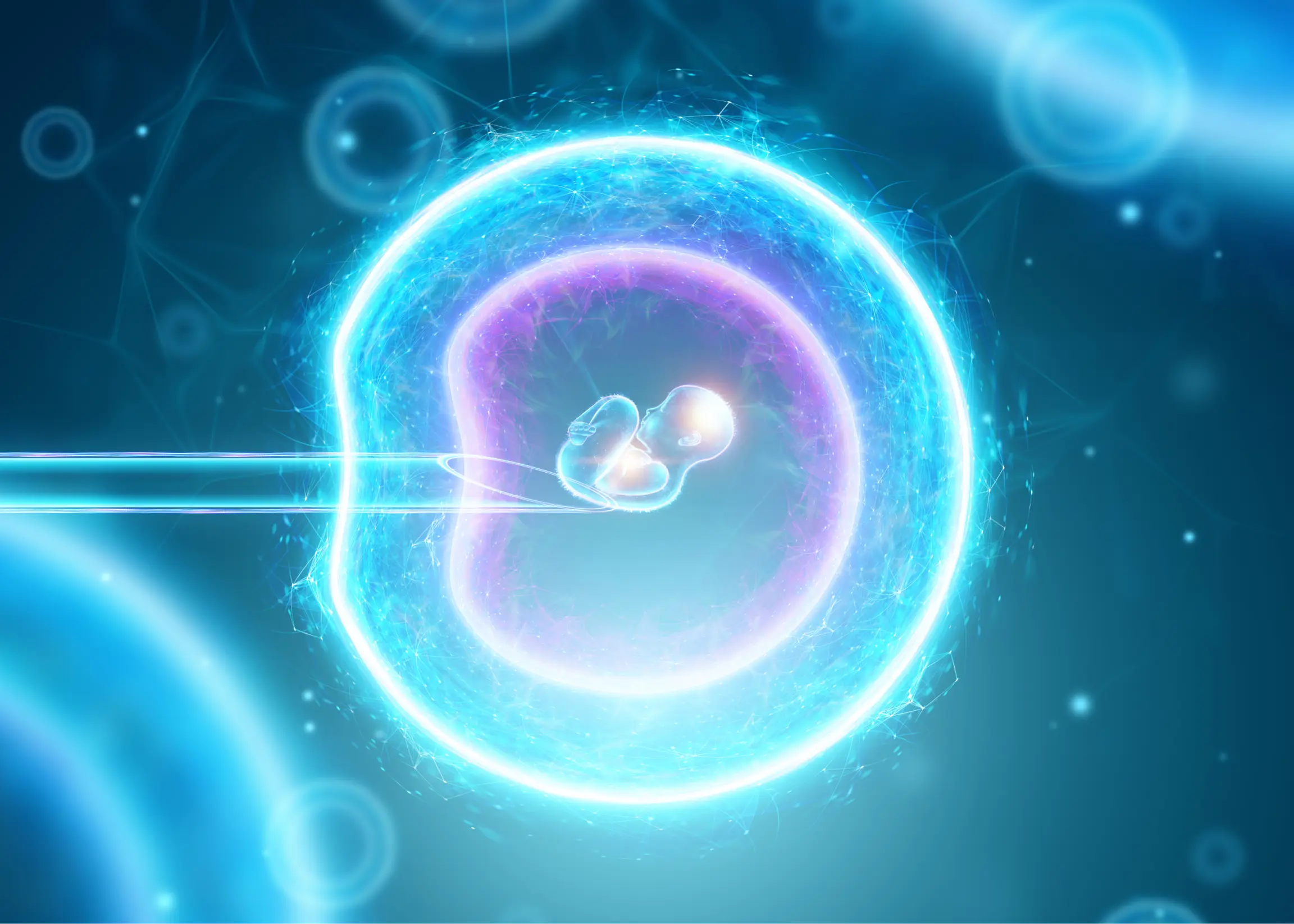
    In-Vitro Fertilization (IVF) refers to the process of fertilization of the egg that happens in a laboratory, unlike in the uterus of the female partner. This ART procedure has many stages, from the egg retrieval to the embryo transfer, which requires the hands-on expertise of an IVF specialist in a reputed IVF clinic like MOMSOON IVF.

    Process of IVF

    The In Vitro Fertilization process starts when the female partner begins hormone therapy. This includes administering hormonal medication for ovarian stimulation, which will result in more egg production in one cycle, instead of just one egg.
    When the female partner’s ovaries produce these eggs, they are carefully removed through a small surgical process and kept in a lab in a controlled environment. The male partner’s sperm sample is collected and combined with eggs for fertilization.
    The fertilized egg, embryo, is carefully monitored under controlled lab conditions until a certain development stage, and one or two good embryos are transferred into the uterus of the female partner. Further hormonal medications are also administered to stimulate the uterine lining, which will result in successful fetal development, leading to the birth of a healthy baby.

    What is Surrogacy?

    Unlike in IVF process, where the embryo is transferred into the uterus of the female partner, surrogacy involves the transfer of embryos (created through IVF) to the surrogate’s uterus. This maximizes the chances of successful implantation and a healthy pregnancy from the beginning.

    The Surrogacy Process

    Surrogacy begins with choosing a woman to be a surrogate mother for the couple dealing with infertility issues.
    The surrogate mother consents to carry a pregnancy for the couple where the embryos are formed by using the female partner’s eggs and the male partner’s sperm. Once the legal formalities are completed, the IVF procedure and the embryo transfer to the surrogate mother is carried out. After a successful pregnancy, the surrogate mother delivers the baby and the couple receives the baby.

    Key Differences Between IVF and Surrogacy

    Difference IVF Surrogacy

    Biological Connection

    Biologically related to the couple

    Biologically related to the couple

    Financial Implications

    Less expensive compared to surrogacy

    Can be expensive than IVF, due to factors like surrogate mother’s medical costs, legal fees, etc.

    Legal and Ethical Considerations

    Less or no legal complexity

    It involves legal contracts and specific laws

    Success Rates

    Based on the quality of the egg and sperm, and other factors, like age

    Higher success rate if the surrogate mother is healthy and there are no other complications.

    Psychological Considerations

    Emotional strength is required for the couple undergoing IVF treatment

    Emotional strength is needed for both the surrogate and the couple.

    Conclusion

    In conclusion, understanding the differences between IVF and surrogacy is important for couples facing infertility, as each option presents unique biological, financial, and emotional considerations that can impact their journey to parenthood. By making informed choices, couples can select the ART option that suits their needs.

    Frequently Asked Questions

    1. How is IVF different from surrogacy?IVF and surrogacy differ in terms of who carries the pregnancy, which can be either the biological mother or the surrogate mother. In both cases, the eggs and sperm of the biological parents or donors can be used.
    2.Can I choose donor eggs for surrogacy?
    Yes. For surrogacy, fertilization of an egg can happen using the intended mother’s eggs or donor eggs if required.
    3. Who will be considered the biological mother in surrogacy?
    The child born though surrogacy is biologically unrelated to the surrogate mother. The intended mother is considered as the biological mother.
    4.What is the success rate of IVF?IVF success rate can vary based on many factors, like the quality of the sperm and eggs used, the embryo’s health, the woman’s age, genetic conditions, and more.

  • IVF vs ICSI vs IUI: Which Procedure Should You Choose?

    IVF vs ICSI vs IUI: Which Procedure Should You Choose?

    Almost 17% of the total adult population faces infertility issues, that is 1 in every 6 adults. Studies show that infertility is a rising health issue, affecting couples who dream of parenthood from conception. But thanks to new medical technologies and procedures, natural conception is still a hopeful choice for couples with infertility issues. These include assisted reproductive technologies (ART), which help couples conceive when they have infertility issues. There are various ART procedures that are used in fertility treatments, including ICSI, IVF, and IUI. So, what exactly are these procedures, and which procedure should a couple choose in case they have infertility issues? Keep reading to find out.

    What is IVF

    IVF (In Vitro Fertilization) is taken from “in vitro”, meaning “outside the body” or “in glass”. This is because the IVF procedure includes fertilization of the egg by the sperm outside the body, in a laboratory setting.

    Procedure Overview:

    Stimulation of the ovaries starts with hormonal medication, which helps in producing more eggs in the ovaries. These eggs are then retrieved by the infertility specialist and are stored in a lab. The sperm is also collected from the male partner and is mixed with the eggs to help in fertilization. For a successful fertilization, only the eggs and sperm that have good quality, like the shape, motility, etc., are selected to increase the chances of fertilization. After this step, the embryo grows for a few days and is placed into the uterus of the female partner.

    What is ICSI

    Intracytoplasmic Sperm Injection (ICSI), which is another ART procedure, is just like IVF but has a very unique approach.

    Procedure Overview:

    This infertility treatment includes similar procedures in IVF, like stimulating the ovaries to produce more eggs with hormonal medication, retrieval of eggs, and collecting the sperm. The difference in this procedure is that only a single high quality sperm is selected to fertilize the egg by injecting it directly into the egg. Then the embryos are grown after fertilization, they are transferred to the woman’s uterus and develop into a fetus.

    What is IUI

    IUI (Intrauterine Insemination) is an infertility treatment where the sperm is directly placed into the uterus to increase the chances of conception.

    Procedure Overview:

    Intrauterine Insemination (IUI) is also called artificial insemination because the procedure includes collecting the sperm from the male partner and preparing it before placing it inside the uterus directly at the time of ovulation. This ART procedure is effective because the sperm can reach the eggs easily when they are released by the ovaries

    Differences Between IVF vs. ICSI vs. IUI

    Difference IUI IVF ICSI

    Fertilization Happens In

    Inside the female partner’s uterus

    In a lab dish (Autonomously)

    In a lab dish (With direct injection of sperm for fertilization)

    Invasiveness

    No procedure required

    Requires minor procedure for egg retrieval

    Requires minor procedure for egg retrieval

    Egg Stimulation

    In rare cases

    Requires stimulation with high dose of hormone injections

    Requires stimulation with high dose of hormone injections

    Sperm Quality


    Healthy sperm

    Healthy or moderately healthy sperm

    Needs at least 1 healthy sperm cell

    Success Rate


    10-20%

    30-40%

    70% or more

    IVF vs ICSI vs IUI: Which Procedure Should I Choose

    Choose IUI If:

    • The male partner’s sperm has less than the average sperm count
    • Male factor infertility is the main reason for the low success rate of conception
    • If the sperm has any abnormalities, either in shape or movement, leading to infertility
    • There are some issues like mild endometriosis, or if the male partner has ejaculation issues or erectile dysfunction
    • The couple wants to use donor sperm for conception
    • The couple is looking for less invasive infertility treatments
    • The female partner is under 35 years and has been trying to get pregnant for more than 1 year.

    Choose IVF If:

    • There are known fertility issues, like low sperm count, PCOS condition, blocked fallopian tubes, endometriosis, etc. 
    • There is a concern about genetic disorders, and the couple wants to opt for preimplantation genetic testing to screen for any such disorders.
    • The female partner is over 35 years old, and there has been no success despite trying to conceive for close to 2 years.
    • Embryo freezing is considered by the couple for future use.

    Choose ICSI If

    • The sperm has poor motility, shape, or less than the average sperm count
    • The sperm has to be surgically retrieved from the male partner in case of some issues.
    • The couple wants to increase the chances of fertilization of the egg
    • There are concerns over genetic conditions and the couple considers choosing PGT

    Conclusion

    All in all, there are various reasons to choose between IVF, ICSI, and IUI. By understanding each process, the treatment requirements, and personal preferences, couples can choose the right ART procedure for their infertility issues. It is always advisable for a couple to consult a fertility specialist to get recommended the best procedure that suits them best.

    Frequently Asked Questions

    1. Is IVF better than IUI?When considering the better treatment between IVF and IUI, the success rate plays an important role, with IVF having a higher rate of success.
    2. For male infertility, is there only ICSI treatment?For male infertility, it is generally advised to choose ICSI treatment, but there are many other options that are used to treat male infertility.
    3. Is there a risk for IVF, IUI, and ICSI procedures?While these ART procedures are considered safe infertility treatments, there are minor risks that might occur in rare cases, so it is important to make informed decisions.

  • Top 10 Mistakes Patients Make During IVF Treatment

    Top 10 Mistakes Patients Make During IVF Treatment

    IVF gives a new hope to countless couples who are having trouble conceiving. When most of the methods fail, IVF is among the most advanced fertility treatments available which gives patients hopes to start their parenting journey.
    However, the process can be emotionally, physically, and financially demanding and success often depends on more than just medical involvement.At Momsoon IVF, we believe that clarity and understanding can transform the IVF experience. Unfortunately, many hopeful parents unintentionally make avoidable mistakes during their IVF journey that can impact outcomes.
    This blog aims to highlight the top 10 most common mistakes patients make during IVF treatment, and offers practical, expert-guidance to help you avoid them and confidently move toward success.

    Delaying IVF for Too Long

    One of the most common mistakes couples make is waiting too long to seek fertility help. While it’s natural to hope for conception without medical support, female fertility starts to decline slowly after the age of 35. Delaying IVF may reduce the chances of success due to decreasing quality and quantity of the egg.
    Tip: If pregnancy hasn’t occurred after 12 months of trying and if you’re over 35 years then it is very important to consult a fertility expert.
    Precaution: Don’t depend completely on home remedies. Track your ovulation, get a basic fertility evaluation early, and don’t hesitate to explore advanced fertility treatments when recommended.

    Not Researching the Clinic Thoroughly

    Many couples choose a fertility clinic based purely on cost or location. However, not all clinics offer the same level of technology, expertise, or success rates. Factors like the fertility specialist’s experience, lab standards, and patient care protocols play a major role in IVF outcomes.
    Tip: Review clinic success rates (especially for your age group), ask about the team’s qualifications, and read real patient testimonials.Precaution: Don’t hesitate to ask for transparency regarding treatment plans, procedures, and hidden costs before you commit.

    Ignoring Lifestyle Factors

    Lifestyle choices play an important role in fertility for both partners. Poor nutrition, chronic stress, smoking, alcohol consumption, and improper sleep can negatively affect sperm and egg quality, as a result, reduces the chances of IVF success. Many couples neglect how powerful small daily habits can make an impact.Tip: Preparing your body in advance matters; focus on healthy lifestyle habits.Precaution: Avoid unhealthy diet, over-exercising, or detox plans that are not medically approved. Consult a fertility nutritionist to maintain a safe and balanced diet.

    Not Following Medication Instructions Properly

    IVF medications, particularly hormone injections, must be taken at specific times and in exact doses. Missing a dose or injecting it incorrectly can disrupt hormone levels, affect egg development, or even lead to cancellation of the cycle. At this point in treatment, following instructions carefully is essential.
    Tip: Set alarms, use a medication tracker, and confirm each step with your clinic to follow the schedule.
    Precaution: Never adjust your medication timing or dosage without medical approval, even if symptoms are mild or manageable.

    Skipping Male Fertility Testing

    IVF is frequently misunderstood as a process involving only women, but male fertility issues contribute to nearly half of all infertility cases. Neglecting male testing can lead to a delay in diagnosis and ineffective treatment planning.
    Tip: Make sure to include semen analysis and complete male testing as a part of your first fertility check-up.
    Precaution: Don’t have assumptions regarding male fertility based on age or lifestyle alone; get medically tested to avoid unnecessary delays.

    Putting All Hope into a Single IVF Cycle

    Many couples invest all their emotions, expectations, and finances into one IVF attempt. It’s important to remember that one cycle may not be enough. Placing all your hopes on the first round can lead to severe disappointment and stress if it doesn’t work out.
    Tip: Prepare mentally, emotionally, and financially for multiple cycles. Ask your clinic about package-based or all-inclusive plans.Precaution: Do not make life decisions in a hurry, like quitting jobs or deciding to move because one cycle failed.

    Neglecting Emotional and Mental Health

    IVF can be emotionally challenging. Stress, anxiety, and depression are common, but they’re often ignored, which can affect your hormones and health. Ignoring your emotional health can make the journey feel even more difficult.
    Tip: Consider counselling, support groups, or mind-body programs to stay emotionally stable during your IVF treatment.Precaution: To prevent emotional stress, share your feelings with your partner, therapist, or close friend rather than distancing yourself.

    Requesting or Agreeing to Transfer Multiple Embryos Without Understanding Risks

    Many believe that transferring more embryos increases the chance of success but it also raises the risk of multiple pregnancy, premature birth, and other complications. Sometimes, a cautious approach is safer and more effective.Tip: Understand the difference between elective single embryo transfer (eSET) and transferring multiple embryos. Discuss what’s best for your case with your fertility specialistPrecaution: Feeling pressured is natural, but following a personalized plan gives you the best chance for a healthy outcome.

    Using Supplements or Alternative Therapies Without Medical Advice

    Many patients explore herbal remedies, ayurvedic treatments, or supplements without medical prescription hoping to boost fertility. However, some of these can interfere with IVF medications, disrupt hormonal levels, or affect embryo implantation.Tip: Tell your fertility specialist about everything, any supplements, herbal remedies, or alternative therapies you’re using.Precaution: Avoid self-medicating or following non-clinical advice. They may have worked for someone but may not be safe or effective for you.

    Not Asking Questions or Staying Passive in the Process

    It’s common for patients to feel exhausted during IVF, which can make them hesitant to ask questions. But lack of clarity can lead to confusion, anxiety, or decisions made without proper understanding that affect results.
    Tip: Create a list of questions and discuss with your specialist, ask for written instructions, and stay actively involved in your treatment plan..Precaution: Don’t assume anything, clear communication with your fertility team helps prevent misunderstandings and builds confidence.

    Conclusion

    The success of IVF doesn’t depend only on medical treatment, it is influenced by timing, lifestyle choices, emotional health, and the quality of your decisions. By avoiding these 10 common mistakes, you can significantly improve your chances of a positive outcome. At Momsoon IVF, we encourage every patient to ask questions, and stay engaged. With the right guidance, support, and preparation, your path to parenthood can give you strength, clarity, and renewed hope.

    Ready to take the First Step with Confidence

    Begin your IVF journey with expert care and clarity. Your journey to parenthood starts here. Talk to a specialist at Momsoon IVF today.