

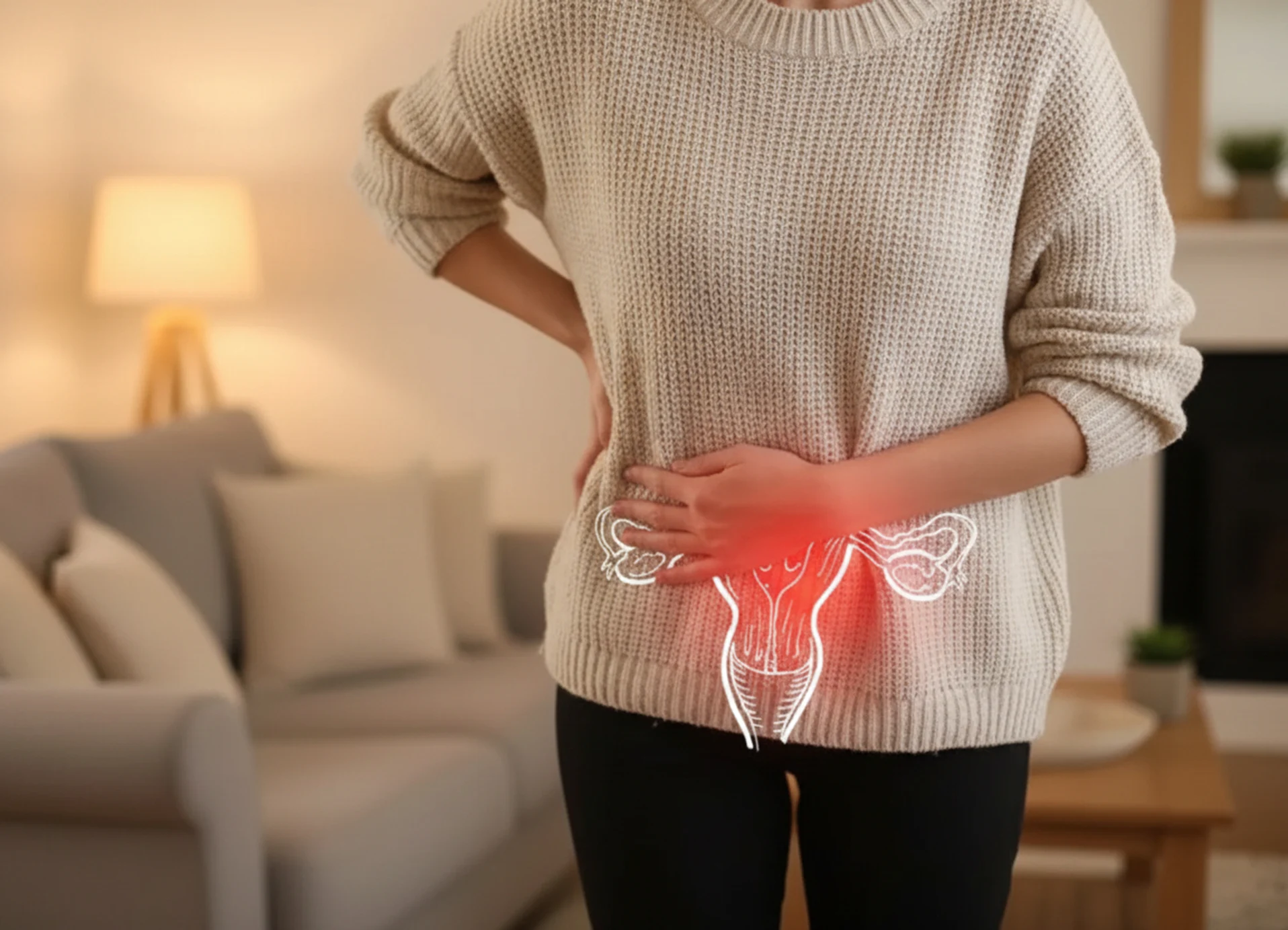
PCOD and PCOS are two hormonal conditions affecting women, especially during their reproductive years. While they sound similar and share common symptoms like irregular periods, weight gain, and fertility concerns, they are not the same condition.
Many women are diagnosed with either PCOD or PCOS without clearly understanding the difference, which can lead to confusion and delayed treatment. Knowing how PCOD and PCOS differ is important, not just for planning pregnancy, but also for managing long-term hormonal and metabolic health.
A correct diagnosis helps doctors create the right treatment plan and improves overall outcomes. Struggling to understand PCOD and PCOS? This blog breaks down their differences, symptoms, fertility impact, and treatment options, helping you make informed decisions for your reproductive health.
What Is PCOD?
PCOD, or Polycystic Ovarian Disease, is a condition in which the ovaries produce many immature or partially mature eggs. These eggs may not release properly during ovulation and can form small cysts within the ovaries, leading to a hormonal imbalance.
PCOD mainly affects ovarian function and is commonly linked with lifestyle factors such as unhealthy eating habits, lack of physical activity, stress, and weight gain. Women with PCOD may experience irregular periods, mild hormonal changes, and occasional fertility issues.
However, PCOD is usually considered less severe and is often manageable with lifestyle changes and minimal medical intervention.
What Is PCOS?
PCOS, or Polycystic Ovarian Syndrome, is a more complex hormonal and metabolic disorder. In PCOS, the body produces higher levels of androgens (male hormones), which interfere with normal ovulation and menstrual cycles.
PCOS is classified as an endocrine disorder because it affects not only the ovaries but also insulin levels, metabolism, and overall hormonal balance. Over time, untreated PCOS can increase the risk of conditions such as type 2 diabetes, high blood pressure, cholesterol imbalance, and heart disease. Fertility challenges are more common in PCOS due to chronic ovulation problems.
PCOD vs. PCOS – Key Differences
Although PCOD and PCOS affect the ovaries, they differ in severity and impact:
|
Aspect
|
PCOD (Polycystic Ovarian Disease)
|
PCOS (Polycystic Ovary Syndrome)
|
|---|---|---|
|
Nature of the condition
|
Primarily an ovarian disorder
|
Hormonal and metabolic syndrome
|
|
Severity
|
Generally milder and easier to manage
|
More severe and long-term
|
|
Hormonal imbalance
|
Mild hormonal imbalance
|
Significant hormonal imbalance with high androgen levels
|
|
Ovulation
|
Ovulation may occur, but can be irregular
|
Ovulation is often absent or severely disrupted
|
|
Impact on fertility
|
Many women can conceive naturally
|
Often requires medical or fertility treatment
|
|
Long-term health risks
|
Usually minimal with proper care
|
Higher risk of diabetes, heart disease, and metabolic issues
|
Symptoms of PCOD and PCOS
Irregular periods
Irregular or missed periods are often the first sign of PCOD or PCOS. This happens when ovulation does not occur regularly, leading to unpredictable menstrual cycles.
Weight gain
Many women experience gradual weight gain, especially around the waist. This is more common in PCOS due to hormonal and insulin-related changes, while PCOD-related weight gain is usually easier to manage.
Acne and hair growth
Increased male hormone levels can cause persistent acne, unwanted facial or body hair, and thinning hair on the scalp. These symptoms are often more noticeable in PCOS than in PCOD.
Ovulation problems
Ovulation may be irregular or delayed in PCOD, and often absent in PCOS. This directly affects fertility but can be managed with timely medical care.
How PCOD and PCOS Affect Fertility
- Irregular ovulation makes it difficult to predict fertile days
- Hormonal imbalance can affect egg development and release
- Egg quality issues may reduce the chances of conception
Women with PCOD can conceive naturally with lifestyle correction and basic treatment. In POCS, fertility treatment may be required, but pregnancy is still very achievable with proper care.
Diagnosis of PCOD vs. PCOS
Ultrasound
A pelvic ultrasound is used to examine the ovaries and check the enlarged ovaries or the presence of small multiple follicles. This helps doctors understand the ovulation patterns and ovarian health.
Hormonal tests
Blood tests are done to achieve key hormone levels such as LH, FSH, testosterone, insulin, and thyroid hormones. These tests help identify hormonal imbalance and differentiate between PCOD and PCOS.
Clinical evaluation
Doctors evaluate symptoms, including menstrual irregularities, weight gain, acne, excess hair growth, and medical or family history. A complete clinical assessment helps confirm the diagnosis and plan appropriate treatment.
Treatment Options for PCOD and PCOS
Lifestyle changes
Lifestyle modification is the foundation of the treatment:
- Healthy, balanced diet
- Regular physical activity
- Weight management
- Stress reduction and proper sleep
Medications
Depending on symptoms and goals:
- Hormonal regulation medicines
- Insulin-sensitizing drugs for PCOS
- Ovulation, including medications if pregnancy is planned
Fertility treatments
If natural conception does not occur:
- IUI for mild ovulation-related infertility
- IVF for severe hormonal imbalance or long-standing infertility
Can Women With PCOD or PCOS Get Pregnant?
Yes, women with both PCOD and PCOS can get pregnant. Many women with PCOD can conceive naturally with lifestyle improvements alone. Women with PCOS may need medical support, but pregnancy success rates are high with the right treatment.
You should consider fertility treatment if:
- Periods are absent or very irregular
- Ovulation does not occur consistently
- Pregnancy does not happen 6-12 months after trying
When Should You See a Fertility Specialist?
It’s a good idea to consult a fertility specialist if you notice:
- Persistent menstrual irregularities
- Excessive acne, hair growth, or weight gain
- Difficulty conceiving despite regular attempts
- A confirmed diagnosis of PCOD or PCOS with fertility concerns
Early consultation helps improve fertility outcomes and prevents long-term complications.
Conclusion
PCOS and PCOD may appear similar, but they differ in causes, severity, and long-term impact. While PCOD is often manageable with lifestyle changes, PCOS requires structured medical care and ongoing monitoring.
With timely diagnosis and the right treatment approach, women with PCOD or PCOS can manage their symptoms effectively and improve their chances of a healthy, successful pregnancy.
Take control of your fertility journey with Momsoon IVF. Consult our experts for accurate diagnosis, personalised treatment, and compassionate care to manage PCOD or PCOS and boost pregnancy chances.