

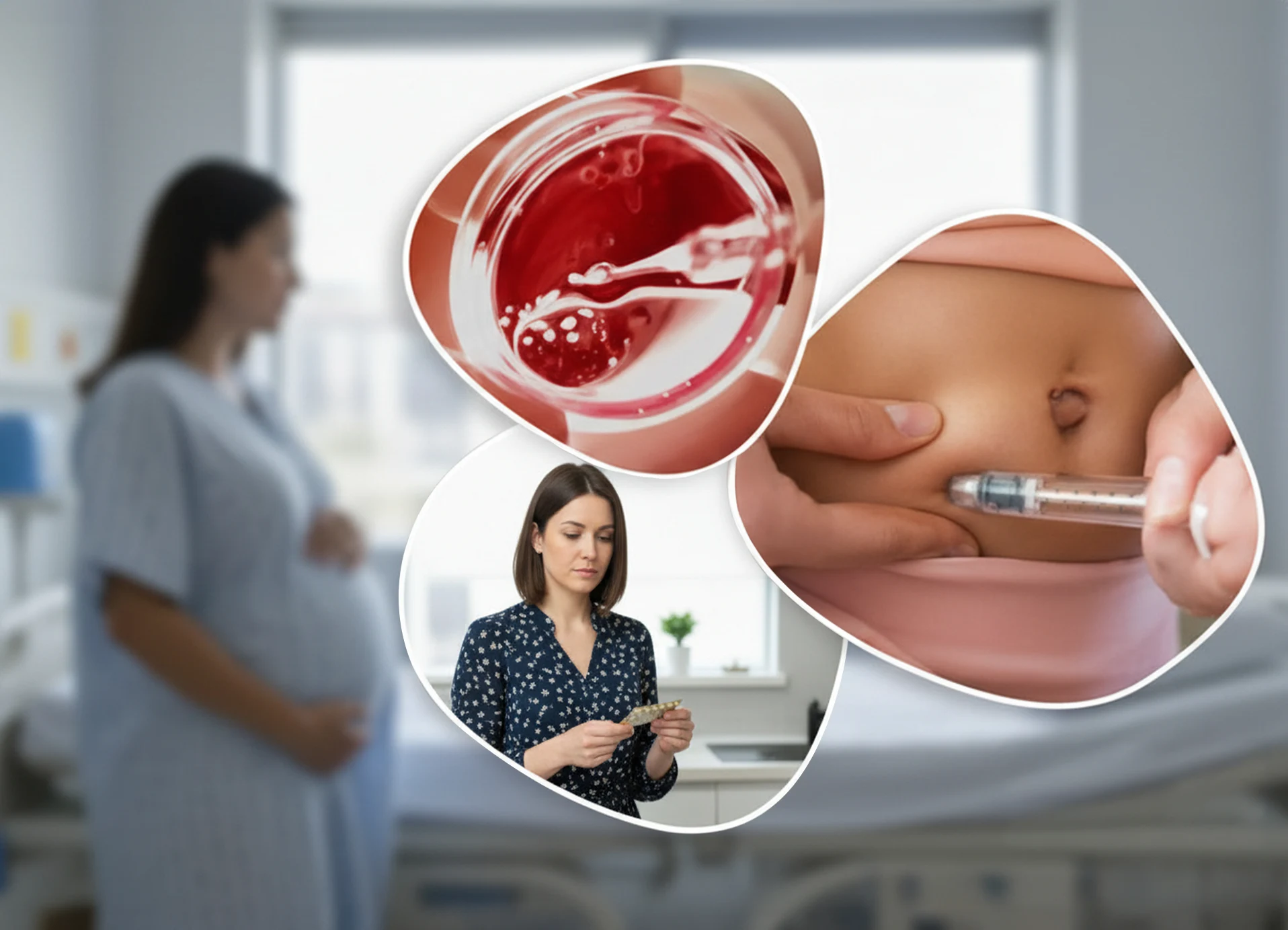
Egg donation has become an important part of fertility treatment today. It helps women who cannot produce healthy eggs achieve pregnancy with the support of another woman, known as an egg donor.
Many couples and individuals who dream of becoming parents choose this option when other treatments are not suitable or successful.
This guide explains egg donation in a clear way, what it is, who it helps, how the process works, and what donors and recipients should know before starting.
What is egg donation?
Egg donation is a process where a healthy woman donates her eggs to help another person or couple have a baby. The donor undergoes a short medical procedure to provide eggs, which are then fertilised in a lab through IVF. The created embryo is then transferred into the recipient’s womb for pregnancy to begin.
Egg donors are usually young women with good reproductive health. The donation process does not affect the donor’s ability to have children in the future.
What Is PCOS?Who needs egg donation?
Poor ovarian reserve
Women whose ovaries do not produce enough healthy eggs, often due to age or medical conditions.
Genetic disorders
Women who carry hereditary diseases may choose donor eggs so the child does not inherit the condition.
Early menopause
Some women experience menopause earlier than usual, leaving them without functioning eggs.
Multiple IVF failures
If IVF cycles fail repeatedly due to poor egg quality, donor eggs can offer better chances.
LGBTQ + families and single parents
Same-sex couples and single men who want to become parents can choose donor eggs along with a gestational carrier.
Egg donation offers a path to parenthood when other fertility treatments cannot help.
Who can become an egg donor?
Egg donors are generally:
- Between 21 and 32 years old
- Physically healthy
- Having regular menstrual cycles
- Without genetic or major medical problems
- Non-smokers and not using recreational drugs
- Emotionally prepared for the process
Donors also go through medical tests, psychological screening, and background checks to confirm they are suitable for donation.
How the egg donation process works
Initial screening
This includes medical consultations, blood tests, hormone checks, genetic screening, and psychological evaluation. These tests help doctors understand the donor’s overall health and egg quality.
Synchronising donor and recipient cycles
The donor’s and recipient’s cycles may be matched using medication. This helps the embryo transfer happen at the right time.
Ovarian stimulation
The donor takes hormonal injections for around 10-12 days. These medications help her ovaries produce multiple mature eggs instead of just one.
During this period, the donor attends a few short check-ups to monitor egg growth.
Egg retrieval
When eggs are ready, the donor undergoes a simple procedure called egg retrieval.
It takes around 20 minutes and is done under light sedation. A small needle collects the eggs from the ovaries. The donor can go home the same day and resume normal activities soon.
Fertilisation and embryo transfer
The retrieved eggs are fertilised with sperm in a lab to form embryos.
- If the recipient is ready, one healthy embryo is transferred to her uterus.
- Remaining embryos can be frozen for future attempts.
The donor’s part ends after egg retrieval. The recipient continues with medications to prepare for pregnancy.
Benefits of egg donation
For recipients
- Higher chances of pregnancy, especially for women with low egg quality.
- Opportunity to experience pregnancy and childbirth.
- Option to choose a donor with similar traits or background
- Possibility to build a family even after menopause or major health issues.
For donors
- The joy of helping someone build a family
- Compensation for time and commitment
- A deeper understanding of reproductive health
Things donors should know
- The process is safe, and most donors recover quickly after egg retrieval.
- Donors should be honest during screenings, as this protects both them and the recipients.
- Some women may feel emotional during the process, so counselling is an important step.
- Donation does not lower fertility; women are born with thousands of eggs, and only a small number are retrieved during the donation cycle.
Things recipients should know
Recipients should also understand a few important points before starting:
- The baby will carry the donor’s genetic traits but will grow entirely in the recipient’s womb.
- Choosing a donor involves reviewing health history, physical traits, and test results.
- Success rates are higher with donor eggs compared to regular IVF in many cases.
- Emotional support and counselling help recipients feel confident and comfortable with their decision.
What happens after egg donation
- For donors: Most donors return to normal routines within one or two days. They may feel mild discomfort or bloating for a short time. Follow-up visits help doctors make sure recovery is smooth.
- For recipients: A pregnancy test is done around two weeks after the embryo transfer. If positive, pregnancy care continues as usual with routine check-ups.
Is egg donation safe?
Yes. Egg donation is considered a safe procedure. Side effects are usually mild and temporary, such as bloating or mood changes. Serious complications are rare, especially when the treatment is done at a well-equipped fertility centre with experienced doctors.
Conclusion
Egg donation opens the door to parenthood for many people who cannot conceive with their own eggs. It offers a hopeful, compassionate, and effective solution for women with low egg reserve, genetic concerns, or early menopause, as well as for single parents and LGBTQ + families.
Donors play an important role by helping others achieve a deeply personal dream. With the right medical guidance and emotional support, egg donation becomes a meaningful journey that brings joy, connection, and new beginnings to both donors and recipients.
Start your parenthood journey with confidence at Momsoon IVF. Our caring specialists guide you through donor-egg treatments with advanced care and full support. Book your consultation today to explore your options.